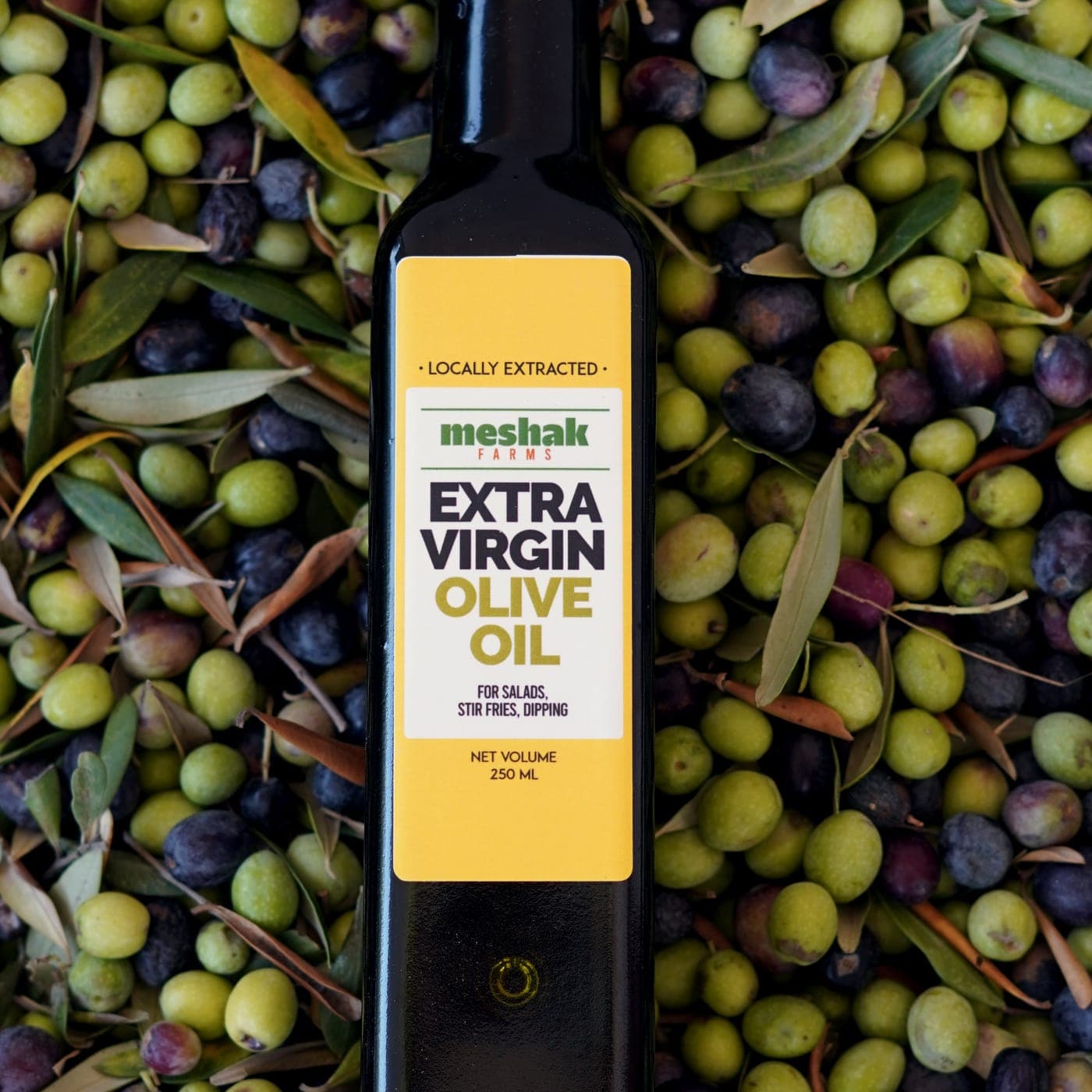
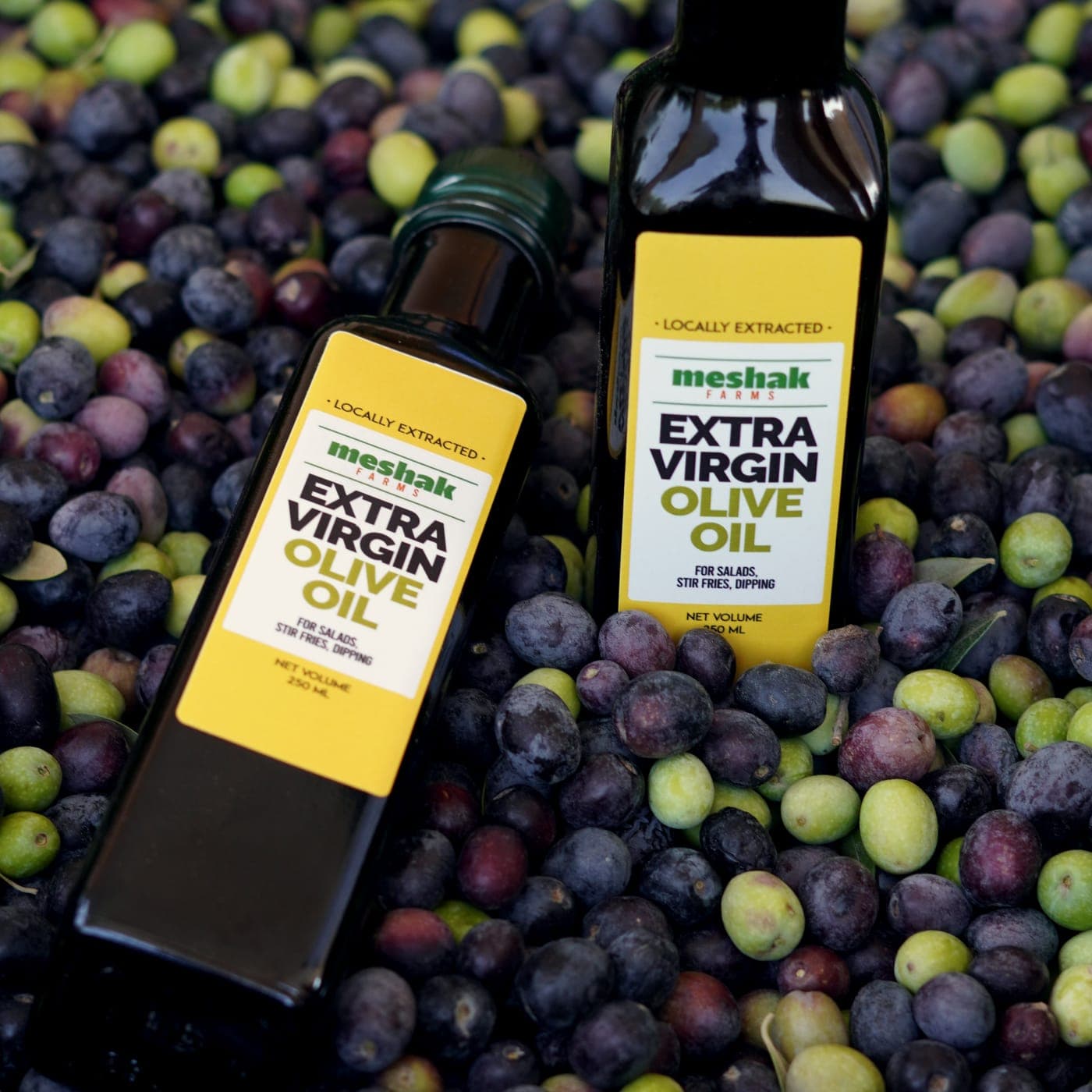
The estate bottle, resting on the fruit it came from
Harvest Nov 2025 · Batch Nº 01 · Single-varietal Arbequina
Extra Virgin Olive Oil
Pressed and bottled where it grew — Mardan, Khyber Pakhtunkhwa.
6 reviewsOrder on WhatsApp instead- Cash on delivery — pay when the bottle is in your hands
- Confirmed by email + WhatsApp within 2 hours
- Courier delivery across Pakistan — track it live on the map
Tasting notes
Grassy. Bitter. Peppery.
Fresh-cut grass and green almond on the nose, a gentle bitterness, then the peppery catch at the back of the throat — the sign of the polyphenols real extra virgin is prized for. If it makes you cough, that's the good part.
The receipts
Tested, not asserted.
A PCSIR laboratory test of the current stock was commissioned in July 2026. Acidity and polyphenol numbers will be published right here the day the report arrives — and every future batch gets its own test.
How to use it
Finish, don't fry.
A spoon over daal at the end. On chaat, salads, BBQ, raita, warm bread. Heat spends the aroma you paid for — keep this bottle for the table and let it do the talking.
The chain of custody
From our trees to your table, nobody else touches it.
The grove
Picked
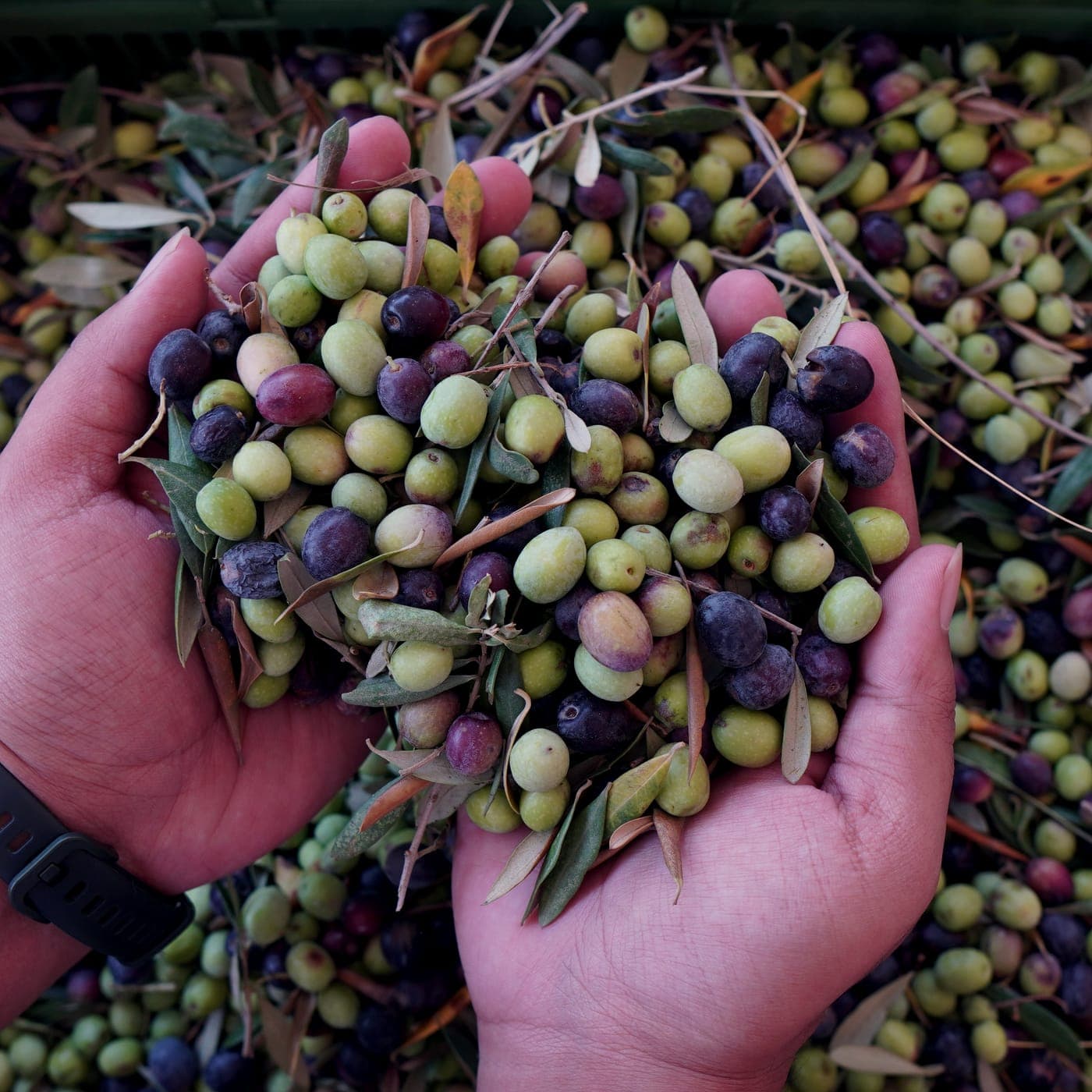
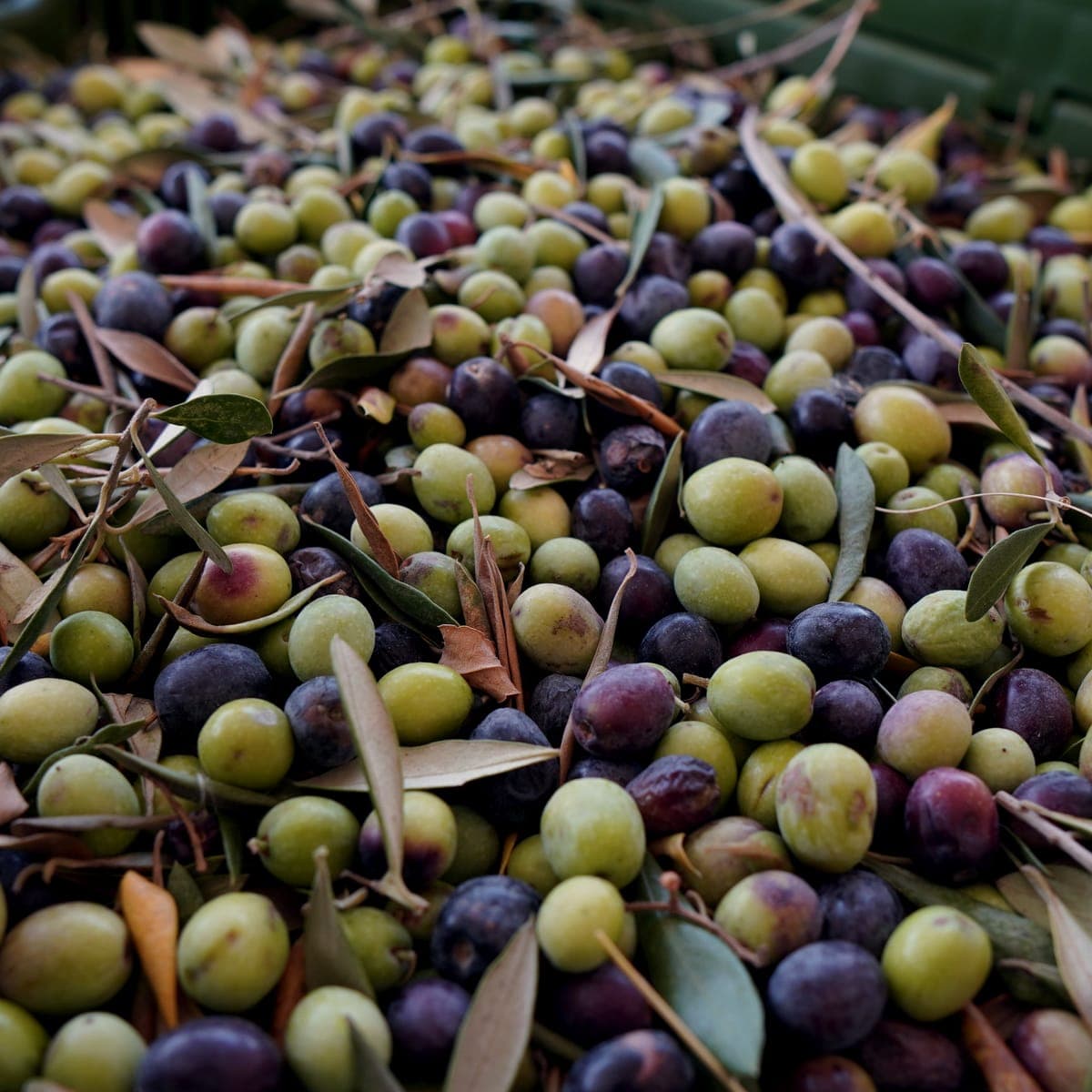
By hand, from the family's own trees in Mardan. No bought-in fruit.
Within hours
Pressed
Cold-pressed at the estate the same day it's picked. Speed is flavour.
At the estate
Bottled
Dark glass, filled where it grew — harvest date printed on every label.
COD nationwide
Delivered
Straight to your door, anywhere in Pakistan. Pay when it arrives.
For comparison
A typical imported bottle is pressed somewhere, tanked, often blended, shipped, warehoused, and shelved — routinely months between the press and your table. Meshak never leaves the family's hands until it leaves for yours.
From our chats
The reviews arrive on WhatsApp.
4.8 · 6 reviews
Collected on WhatsApp, published with permission
Questions, answered
Asli or naqli? Ask anything.
These are the questions we get most on WhatsApp. Yours isn't here? The founder answers every message himself.
What is the price of olive oil in Pakistan?
Imported supermarket extra virgin typically sells for around Rs 2,900–3,800 per 500 ml, and Pakistani estate oils range up to Rs 6,500. Meshak is Rs 4,600 for 500 ml and Rs 2,650 for 250 ml — priced for what it is: single-estate, harvest-dated, and pressed within hours of picking instead of shipped for months.
How do I know it's genuine extra virgin olive oil?
We give you receipts, not adjectives: the harvest date printed on every label, a batch number that ties your bottle to one pressing, and a PCSIR lab test of the current stock (commissioned July 2026 — the full report will be published on this page when it arrives). Real extra virgin also announces itself: a grassy smell, slight bitterness, and a peppery catch at the back of your throat.
Should I cook with it or use it raw?
Use it where you can taste it. This is a finishing oil — a spoon over daal at the end, on chaat, salads, BBQ, raita, or warm bread. You can cook with it, but heat spends the aroma you paid for; keep a cheaper oil for the frying pan and this one for the table.
How does cash on delivery work?
Order on the website or WhatsApp — no advance payment. We confirm your order on WhatsApp within 2 hours, dispatch by courier, and you pay cash when the bottle is in your hands. Delivery runs across Pakistan, typically 2–4 working days in major cities.
What does harvest-dated mean, and why does it matter?
Olive oil is fruit juice — it fades with time and it does not improve. Most labels won't tell you when the fruit was picked; ours prints the harvest on every bottle so you know exactly how fresh it is. That date is the single most honest thing an olive oil label can carry.
Is extra virgin olive oil good for health?
Real extra virgin is rich in polyphenols — the antioxidant compounds that make it slightly peppery — and it's a staple of diets widely considered among the healthiest in the world. We don't make medical promises; we publish lab numbers instead, so you can judge the oil on evidence.
Where does Meshak come from?
One family estate in Meshak, Mardan district, Khyber Pakhtunkhwa — a government-designated Olive Valley, and the place we took our name from. The olives are grown, pressed, and bottled on the same estate; no bought-in fruit and no blending, ever.